


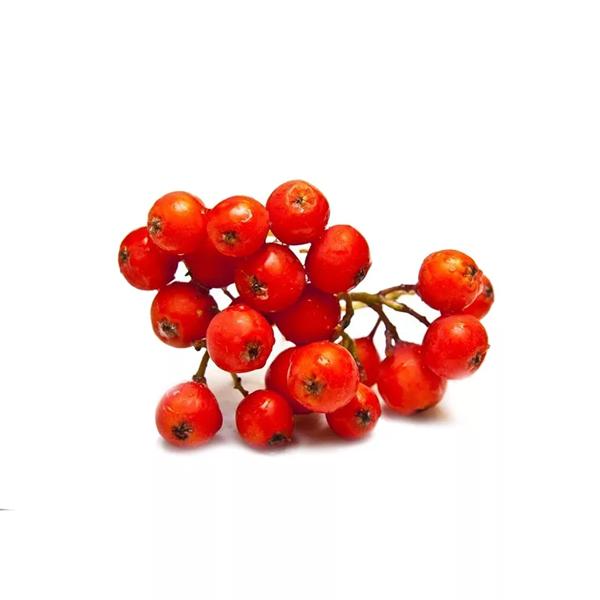
Price: On request
Rowan is a unique berry that not only has a bright taste but also a wide range of beneficial properties. In recent years, the demand for rowan in wholesale volumes has significantly increased, due to the growing interest in natural products and ingredients in the food and pharmaceutical industries. This article will provide comprehensive information for professionals interested in wholesale rowan purchases.
Variety of Rowan Species and Types for Wholesale Supplies
When choosing rowan for wholesale purchases, it is important to consider the diversity of available varieties and types. Each of them has unique characteristics that affect the final product use:
-
Common Rowan (Sorbus aucuparia): The most common species, characterized by bright red berries with an astringent taste. Ideal for producing jams, juices, and liqueurs.
-
Black Chokeberry (Aronia melanocarpa): Distinguished by dark purple, almost black berries with high anthocyanin content. Popular in the production of functional food products and food colorings.
-
Nevezhinskaya Rowan: A sweet variety with large orange-red berries. Excellent for fresh consumption and dessert production.
-
Moravian Rowan: Characterized by large sweet berries with low tannin content. Ideal for juice and puree production.
-
Titan Rowan: A hybrid variety with large sweet berries rich in vitamin C. In demand in the pharmaceutical industry.
When choosing a variety for wholesale purchases, it is necessary to consider not only taste characteristics but also the content of biologically active substances, which is especially important for manufacturers of functional food products and pharmaceutical preparations.
Optimal Methods of Rowan Harvesting and Primary Processing
The quality of rowan for wholesale supplies largely depends on proper harvesting and primary processing. The following principles are recommended:
-
Harvesting Time: The optimal time for harvesting is after the first frost, when the berries acquire maximum sweetness and the content of beneficial substances reaches its peak.
-
Harvesting Method: It is recommended to use special combines or manual picking with pruning shears to minimize berry damage.
-
Sorting: Immediate sorting after harvesting allows separation of damaged and unripe berries, ensuring high batch quality.
-
Primary Processing: Includes washing berries in running water and quick drying to prevent mold development.
-
Freezing: For long-term storage, shock freezing at -40°C is recommended, which allows preserving the maximum of beneficial properties.
Innovative Technologies for Rowan Storage and Transportation
To preserve rowan quality in wholesale supplies, it is critically important to ensure proper storage and transportation conditions:
-
Controlled Atmosphere: Storage in special chambers with reduced oxygen content (2-3%) and increased carbon dioxide content (3-5%) significantly extends the shelf life of fresh berries.
-
Temperature Regime: The optimal storage temperature for fresh rowan is 0-2°C with a relative humidity of 90-95%.
-
Packaging: Using modified atmosphere packaging (MAP) helps preserve freshness and prevent microorganism development.
-
Transportation: Refrigerated containers with temperature and humidity control systems provide optimal conditions for long-distance transportation.
-
Monitoring: Implementation of IoT systems for continuous monitoring of storage and transportation conditions allows prompt response to any deviations from the norm.
Industrial Applications of Rowan: From Food to Pharmaceutical Industry
Rowan finds wide application in various industries, which causes high demand for wholesale supplies:
-
Food Industry:
-
Production of juices, nectars, and fruit drinks
-
Manufacturing of jams, preserves, and jellies
-
Use as a natural coloring and flavoring agent
-
Production of functional food products
-
-
Pharmaceutical Industry:
-
Extraction of biologically active substances for vitamin complex production
-
Manufacturing preparations to strengthen the cardiovascular system
-
Production of natural antioxidants
-
-
Cosmetic Industry:
-
Using rowan extracts in anti-aging creams and serums
-
Production of natural face and hair masks
-
-
Liquor Industry:
-
Manufacturing tinctures and liqueurs based on rowan
-
Use as a flavoring agent for strong alcoholic beverages
-
-
Confectionery Production:
-
Use as a filling for candies and baked goods
-
Use in marmalade and pastille production
-
Seasonality and Pricing in the Wholesale Rowan Supply Market
Understanding seasonality and factors affecting pricing is critically important for effective planning of wholesale rowan purchases:
-
Harvesting Season: The main rowan harvesting season is September-October, which affects the availability of fresh products.
-
Price Fluctuations: Rowan prices reach their minimum during the mass harvesting period and gradually increase towards the end of winter and early spring.
-
Price Influencing Factors:
-
Current year's crop yield
-
Weather conditions during harvesting
-
Demand in the international market
-
Currency exchange rates (for importers and exporters)
-
-
Long-term Contracts: Concluding long-term contracts with suppliers allows fixing prices and ensuring supply stability.
-
Forecasting: Using analytical tools and historical data helps predict price trends and optimize procurement strategy.
Quality Control and Certification of Wholesale Rowan Batches
Ensuring high quality of rowan in wholesale supplies requires a comprehensive approach to control and certification:
-
Laboratory Analysis: Conducting regular tests for vitamin content, antioxidants, and the absence of harmful substances.
-
Microbiological Control: Checking for the presence of pathogenic microorganisms and mold.
-
Organic Product Certification: For rowan grown without the use of pesticides and chemical fertilizers.
-
HACCP: Implementation of a risk analysis and critical control points system to ensure product safety.
-
ISO 22000: Certification of food safety management system.
-
Traceability: Implementation of systems allowing tracking the origin of each rowan batch from field to end consumer.
Prospects and Trends in the Wholesale Rowan Supply Market
The wholesale rowan supply market is dynamically developing, and understanding key trends will allow wholesale buyers to remain competitive:
-
Growing Demand for Organic Products: Increasing consumer interest in environmentally friendly products stimulates demand for organically grown rowan.
-
Processing Innovations: Development of freeze-drying and cryogenic grinding technologies opens new opportunities for rowan use in food and pharmaceutical industries.
-
Functional Nutrition: The growing trend towards healthy eating increases demand for rowan as a source of natural antioxidants and vitamins.
-
Market Globalization: Expanding supply geography and increasing international rowan trade volumes.
-
Supply Chain Digitalization: Implementation of blockchain technologies and AI to optimize logistics and increase supply transparency.
Understanding these trends will allow wholesale buyers and manufacturers to effectively plan their strategy in the rowan market, adapt to changing conditions, and maximize the benefits of working with this unique natural resource.
